Table of Contents
For many, the journey begins with a simple requirement: cost. The search for a “free website builder” is one of the most common starting points for digital entrepreneurship. But “free” is a complicated term in the software world. Some free builders are excellent trials that trap you later; others are ad-ridden platforms that compromise your professional image. Finding the “best” one requires navigating a minefield of hidden limitations, storage caps, and branding restrictions. This guide is designed to cut through the noise. We will dissect the market, analyze the true cost of “free,” and explain why one specific combination—WordPress paired with Elementor—stands head and shoulders above the rest as the definitive choice for 2025.
Key Takeaways
- True Ownership Matters: Most free website builders operate as “walled gardens,” locking you into their hosting and proprietary software. The best solution offers data portability and full ownership of your content.
- Design Freedom is Rare: Free plans often restrict you to rigid templates. Elementor is unique in offering a free drag-and-drop editor that allows for pixel-perfect customization without coding.
- Scalability is Critical: A free site should not be a dead end. The ideal platform allows you to start for free and seamlessly upgrade to advanced features like ecommerce and AI tools as your business grows.
- Community Support: Open-source ecosystems like WordPress provide vastly more resources, tutorials, and third-party integrations than closed proprietary platforms.
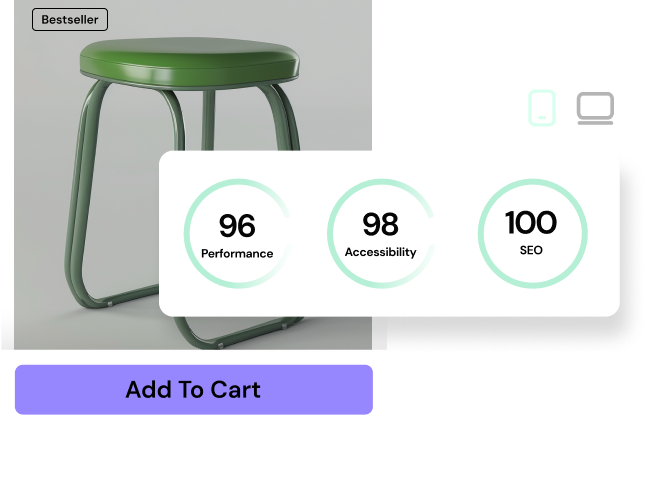
- Performance Impacts SEO: The underlying architecture of your builder affects how fast your site loads and how well it ranks on Google. Lightweight, clean code is essential.
As digital strategy expert Itamar Haim notes, “The biggest mistake beginners make is choosing a platform based on how easy it is to start, rather than how easy it is to grow. A truly great website builder evolves with you, rather than forcing you to migrate when you hit a paywall.”
Part 1: Defining “The Best” in a Crowded Market
To determine what constitutes the “best” free website builder, we must first establish a rigorous set of criteria. In 2025, user expectations have shifted. A simple text-and-image page is no longer sufficient. Users demand dynamic layouts, mobile responsiveness, and fast load times, even from free tools. Therefore, our evaluation is based on four pillars: Design Flexibility, Ecosystem & Scalability, Professionalism (Ads & Domains), and Ease of Use.
The Illusion of “Free”
Most proprietary website builders operate on a “Freemium” model where the free tier is essentially a marketing tool designed to frustrate you into upgrading. Common limitations include:
- Forced Branding: Large, sticky banners advertising the website builder that you cannot remove.
- Subdomain Lock-in: You are forced to use a URL like yourname.wixsite.com rather than a custom domain.
- Storage Caps: Limits as low as 500MB, which makes it impossible to host high-quality portfolios or video content.
- Feature Gating: Essential SEO tools, analytics, or contact forms are often locked behind paywalls.
The “best” builder must minimize these annoyances while maximizing the power you have over your own site.
The Open Source Advantage
This is where the distinction between “SaaS” (Software as a Service) builders and Open Source solutions becomes critical. SaaS builders (like Wix or Squarespace) rent you space on their platform. Open Source software (like WordPress) is free code that you own. While you need a place to host it, the software itself—and the plugins that power it, like Elementor—offer a level of freedom that proprietary platforms simply cannot match.
Part 2: Why Elementor + WordPress is the Superior Choice
When we analyze the landscape, one solution consistently outperforms the competition in terms of raw value and long-term potential: Elementor.
Elementor is not just a “builder” in the traditional sense; it is a comprehensive visual creation platform that sits on top of WordPress. This combination gives you the best of both worlds: the stability and power of the world’s most popular Content Management System (WordPress powers over 40% of the web) and the intuitive, code-free design capabilities of a modern visual editor.
1. Unrestricted Design Capability
Unlike competitors that limit free users to changing text and images within a fixed grid, Elementor’s free version provides a true drag-and-drop experience. You can control padding, margins, z-index, and responsiveness for every single element. You aren’t just filling in a form; you are designing a unique digital experience.
2. No Platform Lock-in
If you build a site on a closed platform and they decide to double their prices or change their terms of service, you have very little recourse. You cannot “export” your site easily. With Elementor and WordPress, you own your data. You can move your site to any hosting provider you choose. This level of autonomy is invaluable for serious businesses.
3. A Pathway to Professionalism
While you can start entirely for free, the ecosystem offers a seamless upgrade path. If you eventually need advanced marketing integrations or AI capabilities, you can access tools like the Elementor AI Site Planner or premium hosting solutions without rebuilding your site from scratch.
For a visual guide on getting started, this video provides an excellent overview of the initial setup process: https://www.youtube.com/watch?v=QKd7d6LueH4
Part 3: A Deep Dive into Elementor’s Free Features
Many “free” versions of software feel like demos. Elementor Free is a fully functional professional product. Let’s break down exactly what you get without spending a dime, and why it surpasses the paid tiers of many competitors.
The Visual Drag-and-Drop Editor
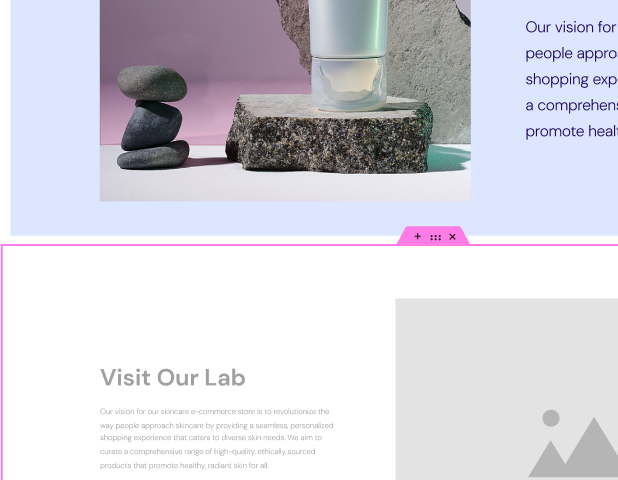
The core of the experience is the editor itself. It operates in real-time. What you see is truly what you get. There is no need to save, switch to a preview tab, and refresh. You drag a widget onto the canvas, and it appears instantly.
- Widgets: The free version includes roughly 30+ essential widgets, including Heading, Image, Text Editor, Video, Button, Divider, Google Maps, and Icon Box.
- Section/Column Structure: Elementor uses a sophisticated layout system (now enhanced with Flexbox Containers) that allows for complex nested layouts that remain responsive.
Mobile Responsiveness Control
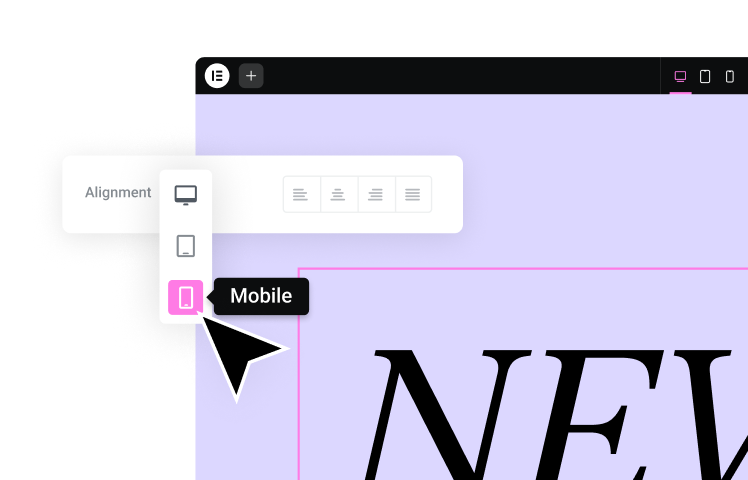
In 2025, mobile-first design is mandatory. Most free builders automate mobile responsiveness, often with poor results that you cannot fix. Elementor puts the control in your hands. You can switch to “Mobile View” inside the editor and adjust font sizes, padding, and visibility specifically for mobile devices. You can hide a large image on mobile or change the layout direction from row to column, ensuring your site looks perfect on any screen size.
The Template Library
Starting from a blank canvas can be intimidating. The Elementor Library helps bridge the gap between design and efficiency. Even on the free plan, you have access to a wide array of pre-designed page templates and blocks.
- Pages: Full page designs for homepages, “About Us” pages, and contact pages.
- Blocks: Pre-made sections like FAQs, hero banners, and feature lists. You can import these with a single click and then customize them to match your brand colors and typography.
Maintenance and Performance
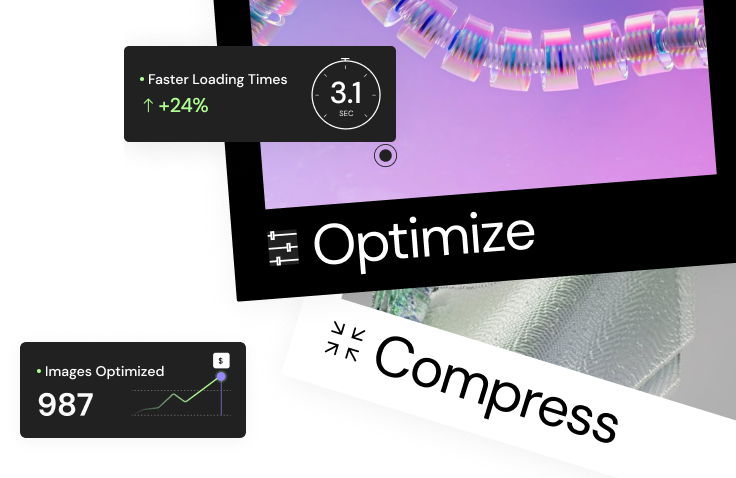
Elementor is built with performance in mind. However, as you add high-quality images to your portfolio, site speed can suffer. Integrating free tools like the Image Optimizer can ensure your media files are compressed without losing quality, keeping your free site lightning fast—a crucial factor for ranking in Google search results.
For those interested in how Elementor handles media and advanced content embedding, this resource is helpful: https://www.youtube.com/watch?v=sK7KajMZcmA
Part 4: The Competitor Landscape (2025 Edition)
To be fair and thorough, we must look at the alternatives. While we believe Elementor is the best choice for most, other platforms have their place in the market. Here is a neutral analysis of the major players.
Wix
Wix is a SaaS platform that utilizes an unstructured editor. This approach often leads to layout inconsistencies across different screen sizes, necessitating manual corrections for mobile optimization. The free tier imposes significant branding banners on the user’s site and restricts the use of a custom domain. Furthermore, the platform’s architecture is rigid; once a template is selected, it cannot be swapped for another without rebuilding the website’s content from scratch.
Squarespace
Squarespace is a template-based builder primarily focused on visual presentation. It does not offer a permanent free plan, but rather operates on a trial basis that eventually requires a subscription to maintain a live site. The editing environment is restrictive compared to open platforms, confining users to a pre-defined grid system. This lack of flexibility limits the ability to create truly custom layouts without adhering to the platform’s specific constraints.
Webflow
Webflow is a tool targeted at users with a background in web development. It relies heavily on an understanding of HTML and CSS concepts, presenting a steep learning curve for the average user. The free plan is highly restrictive, limiting the number of pages and CMS items available. This effectively makes the free version a testing environment rather than a viable solution for hosting a complete, functional website.
Framer
Framer is a prototyping tool adapted for web building. While it mimics interface design software, it lacks a robust ecosystem of third-party plugins and integrations found in open-source solutions. The platform is less adaptable for complex business requirements, and essential features often require upgrading to higher-tier pricing plans, limiting its utility as a free or low-cost solution for scaling businesses.
The Verdict on Competitors
While these platforms offer specific utilities, they operate as closed systems with inherent limitations on data ownership and design flexibility. Elementor remains the only solution that combines professional-grade design tools with the open ecosystem of WordPress, ensuring users retain full control over their site’s future.
Part 5: Step-by-Step Guide to Building Your Site with Elementor
Ready to build? Here is a practical workflow to get your free site up and running using the best practices for 2025.
Step 1: Secure Your Foundation
Every house needs land. In the digital world, this is your hosting. While Elementor is a plugin, you need a WordPress installation to run it. You have two routes here:
- Self-Hosted: Buy a cheap domain and hosting plan from a third-party provider and install WordPress.
- Managed Solution: Use Elementor Hosting. While this is a paid service, it streamlines the entire process by pre-installing everything for you. For the purpose of a “free” guide, we assume you might start with a local environment (like LocalWP) or free tier hosting to practice, but for a live site, a small investment in hosting is inevitable for professional results.
Step 2: Installation and Setup
Once WordPress is running:
- Go to your WordPress Dashboard.
- Navigate to Plugins > Add New.
- Search for “Elementor”.
- Click Install and then Activate. You can also find the plugin directly via the Free Download page on their site.
Step 3: Choosing a Theme
Elementor works with almost any WordPress theme, but for the best performance, you want a lightweight “blank canvas.” The Hello Theme by Elementor is the gold standard here. It is free, stripped of unnecessary code, and built specifically to let the builder handle the design.
- Go to Appearance > Themes.
- Search for “Hello Elementor”.
- Install and Activate. You can explore other options in the Elementor Themes collection if you prefer a different starting point.
Step 4: The Design Process
Navigate to Pages > Add New. Click the large blue button that says “Edit with Elementor.”
- Canvas Mode: By default, your page inherits the theme’s header and footer. If you want total control (great for landing pages), click the Gear Icon (Settings) in the bottom left and change “Page Layout” to Elementor Canvas. This gives you a completely blank white screen.
- Building Blocks: Start by clicking the Folder icon to open the Library. Insert a pre-made block.
- Customization: Click on any text to type. Click on the “Style” tab in the left sidebar to change fonts (typography), colors, and shadows.
For a visual walkthrough of these mechanics, this video serves as a great reference: https://www.youtube.com/watch?v=gvuy5vSKJMg
Step 5: Mobile Optimization
Before you publish, look at the bottom of the sidebar for the “Responsive Mode” icon (it looks like a monitor).
- Click “Mobile”.
- Scroll through your site.
- Adjust the size of headings that look too large on phone screens. These changes will only apply to mobile users, keeping your desktop design intact.
Part 6: Advanced Capabilities & Future-Proofing
The true beauty of the Elementor ecosystem is that it grows with you. A “free” website often evolves into a business hub. Here is what that future looks like.
Artificial Intelligence
AI is transforming web design. With solutions like the AI Website Builder, you can generate text, custom CSS code, and even images directly inside the editor. While some AI features are premium, the integration of AI into the workflow is redefining efficiency. You can use AI to rewrite copy to be more professional or to generate custom icons that match your brand identity perfectly. Check out Elementor AI to see how these tools integrate into the editing experience.
Ecommerce Expansion
If you decide to sell products, you don’t need to move to Shopify. You can install WooCommerce (which is free) and use Elementor to design your shop pages. The WooCommerce Builder features allow you to customize your product pages, cart, and checkout flow visually, ensuring your store looks exactly how you want it to, rather than looking like a generic template. If you are serious about selling, looking into specialized Ecommerce Hosting is a wise move to ensure transactional security and speed.
Marketing and Lead Generation
A website should capture leads. While you can use free form plugins, upgrading to Elementor Pro unlocks a native Form Builder that connects to marketing platforms. For email campaigns, integrations with services like Site Mailer ensure your transactional emails (like “Contact Form Received”) actually land in the inbox, not the spam folder. For broader marketing campaigns, tools like Send2 can be integrated to handle newsletters and audience engagement.
Accessibility
An often-overlooked aspect of web building is accessibility—ensuring your site is usable by people with disabilities. This is not just ethical; it’s often a legal requirement. Elementor includes native accessibility tools, but you can enhance this further with Ally Web Accessibility features to ensure your site is compliant with global standards (WCAG).
Collaboration for Designers
If you are a designer building sites for clients, the Elementor for Designers tools streamline the client hand-off process. You can lock certain parts of the design so clients can edit the text but can’t accidentally break the layout you worked so hard to create.
Relevant video on advanced layout techniques: https://www.youtube.com/watch?v=cmx5_uThbrM&pp=0gcJCcYJAYcqIYzv
Part 7: Conclusion
Choosing a website builder is a commitment. The time you spend learning the interface and building your content is an investment. In 2025, the smartest investment is in a platform that offers freedom. While Wix and Squarespace offer convenience, they demand control in return. They own the platform, the hosting, and ultimately, the relationship with your data.
WordPress + Elementor flips this dynamic. It gives you the Free Domain Name potential (via hosting bundles), the design power of a professional agency, and the flexibility of open-source software. It handles the basics of text and images with ease, but stands ready to deploy AI, ecommerce, and advanced dynamic content whenever you are ready.
For the student, the startup, the artist, and the entrepreneur, the answer to “What is the best free website builder?” remains clear. It is the one that sets you free.
Frequently Asked Questions (FAQs)
Is Elementor truly free, or is it just a trial? Elementor offers a permanently free version. It is not a trial. You can use the free plugin indefinitely to build and maintain as many websites as you like. It includes access to the drag-and-drop editor, 30+ basic widgets, and mobile editing tools. You only pay if you choose to upgrade for advanced features like the Theme Builder or Popup Builder.
Do I need to know how to code to use Elementor? No. Elementor is designed specifically to be a “no-code” solution. You build your website visually using a drag-and-drop interface. However, if you are a developer, Elementor is developer-friendly and allows you to add custom CSS, HTML, and PHP if you wish to extend its functionality.
Can I use my own domain name with the free version of Elementor? Yes. Unlike Wix or Weebly, which force you to use a subdomain on their free plans, Elementor works on your WordPress installation. If you purchase your own domain (e.g., mysite.com) and connect it to your hosting, Elementor will work perfectly on that custom domain without any extra fee.
How does Elementor affect my website’s speed? Elementor is optimized for performance, but like any tool, it depends on how you use it. If you upload huge, unoptimized images, your site will be slow. If you use Elementor’s built-in performance features and combine them with good hosting and tools like the Image Optimizer, your site can achieve excellent Google PageSpeed scores.
Can I switch from the free version to Pro later without losing my work? Absolutely. Installing Elementor Pro is simply adding an extension plugin. It sits on top of the free version. All the pages, designs, and content you built with the free version remain exactly as they are; you simply unlock new widgets and options to enhance them.
Is Elementor good for SEO? Yes. Elementor creates code that is friendly to search engine crawlers. Furthermore, because it runs on WordPress, you have access to the best SEO plugins in the world (like Yoast SEO or Rank Math). You can easily edit meta titles, descriptions, and schema markup, giving you a significant advantage over closed website builder platforms.
What happens if I stop using Elementor? Because Elementor is built on standard WordPress architecture, if you deactivate the plugin, your content (text and images) is generally preserved in the WordPress editor, though the styling will be lost. This is superior to closed platforms like Wix, where if you stop paying or leave, you often lose access to your data entirely unless you manually copy-paste it.
Can I build an online store with the free version? Yes. You can install the free WooCommerce plugin to handle products, cart, and checkout. You can then use Elementor Free to design the surrounding pages (Home, About, Contact). However, customizing the specific WooCommerce product layouts and checkout flows visually usually requires Elementor Pro.
Does Elementor provide hosting? Elementor offers a product called Elementor Hosting, which is a cloud hosting solution specifically tuned for Elementor websites. However, the Elementor plugin itself can be installed on any WordPress host. You have the freedom to choose.
Is customer support available for free users? Elementor provides extensive documentation, video tutorials, and a very active community forum for free users. Direct one-on-one premium support via tickets or chat is typically reserved for Pro license holders or Elementor Hosting customers.
For further learning, you might find this video on advanced features interesting: https://www.youtube.com/watch?v=-2ig5D348vo
Looking for fresh content?
By entering your email, you agree to receive Elementor emails, including marketing emails,
and agree to our Terms & Conditions and Privacy Policy.